
Why Wedding Planning Often Feels Like Chaos (and How We Change It)
Discover how to master wedding planning without stress and keep the joy alive for your big day!
An Honest Cost-Benefit Analysis: Is Getting Married Worth It in 2026? Trends, Budget Tips, and Perspectives for Modern Couples
Maybe you are planning your first celebration together, maybe you’re thinking about a second “I do.” Maybe you’re already married and looking back wondering if it was worth it. In 2026 a wedding is no longer automatically the big social event but a conscious choice. This is exactly where we start: What does a wedding really bring you — emotionally, financially, and in everyday life afterwards?
Our culture loves strong symbols. A wedding can be one of those markers: you make a statement, promise each other in front of your community, and create memories you can’t stream. At the same time the pressure of expectations feels real. Prices, guest lists, opinions. Many couples ask: Do we have to do all of that? The honest answer: No. You only have to do what fits you. The difference between show and substance comes down to three questions: Why are we getting married? Who should take part? How much energy — money, time, nerves — do we want to invest?
Instead of maximal guest lists we’re seeing curated gatherings. Not because you love people less, but because intimacy needs quality. A personal ceremony at the Standesamt (registry office) in daylight, followed by a meal at your favorite bar, later an open celebration. This format gives you control and reduces the spread of budget and energy.
In 2026 sustainable doesn’t mean jute instead of lace. It means: rent instead of buy, reuse instead of single-use decor, regional cuisine instead of imports. Seasonal flowers, secondhand fashion, digital invitations, short travel distances. The result looks modern, reduces stress and often saves money.
Tech supports — it doesn’t replace. Livestreams for distant people, digital RSVP tools, shared photo albums. Anything that eases organization and integrates guests without disturbing the encounter will stay.
Celebrations on a Thursday or a matinee with brunch afterwards are long normal. More availability at venues, relaxed schedules, light-filled photos. Those with children or planning a Second Wedding appreciate the calmer rhythm.
A second “I do” is rarely about proving something. It’s about the present. Many choose shorter ceremonies, deliberate rituals, clear communication with children or blended families. The tone is mature; the result intimate and warm.
The question isn’t whether weddings are expensive. The question is what value you get for your money. Think in impacts, not line items.
It’s easy to read romance as marketing. And yet: rituals structure transitions. They place you between yesterday and tomorrow. A ceremony doesn’t just say yes, it also says thank you to the people who brought you this far. That’s true for a first marriage and for any second chance. People who celebrate in a reduced way often celebrate more intensely. The effect is tangible: more eye contact, more breathing, more memories that don’t blur.
A tip for budget- and sustainability-minded people: invest where emotions become visible. Powerful words, good light, good sound. A calm flow without hustle. A meal that tastes like you. These points turn an event into an experience.
Attitudes are the new traditions. You don’t have to break rules that never belonged to you. You may choose: rings yes or no, relaxed seating, recycled bouquet, rented suit, vows written together. Identity over staging.
Sustainable doesn’t mean grey. It means clear. Regional menu with vegetarian highlights. Flowers from the area, later given as little bouquets to neighbors. A dress that can be altered. A suit that also works for the office. Stationery that works digitally and as a high-quality print for your archive.
Someone saying yes a second time brings history. Talk early about needs and boundaries, especially if children are part of the day. Plan short, dense moments. An afternoon with a ceremony, followed by a dinner with speeches that look to the future. Managing expectations creates freedom.
Guests are not spectators. Give them roles: one person moderates, friends read a text, someone collects wishes in a book you will actually open. This creates participation, not a program.
Take an hour, put smartphones away and talk about these five sentences. Complete them without arguing, listen, then exchange.
Overrated or investment? The truth lies in your intention. If your wedding makes your values visible, if budget and energy flows align, if you feel more closeness, calm and joy in the end, then you’re investing in something that lasts. That can be a big party or a quiet morning at the registry office with coffee afterwards. Both are valid. What matters is that you listened to each other. The rest is detail.
wedset.app helps you plan your dream wedding. From the guest list to the timeline - we have everything under control.
Discover more helpful tips and ideas for your wedding
Discover how to master wedding planning without stress and keep the joy alive for your big day!
How to build your day-of timeline: times, buffers, examples – with tips for classic, relaxed, minimalist. Start of the A...
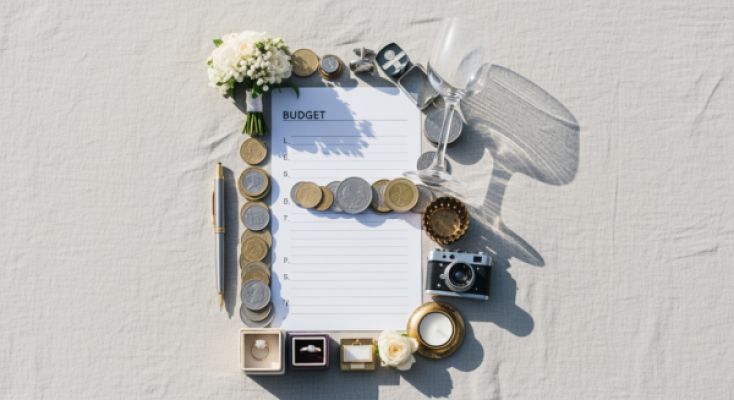
Wedding budget planning: Set priorities, avoid hidden costs, and save smartly – with a 10% contingency plan!