

Münster Registry Office: Your Dream Wedding Date Is Drawn by Lottery
Why you don’t book your dream date at Münster Registry Office—you win it in a lottery. Plus: the truth about the colour-...
Avoid these three no-gos when choosing your wedding venue: quiet hours, vendor exclusivity, inflexible menus. Here are alternatives!
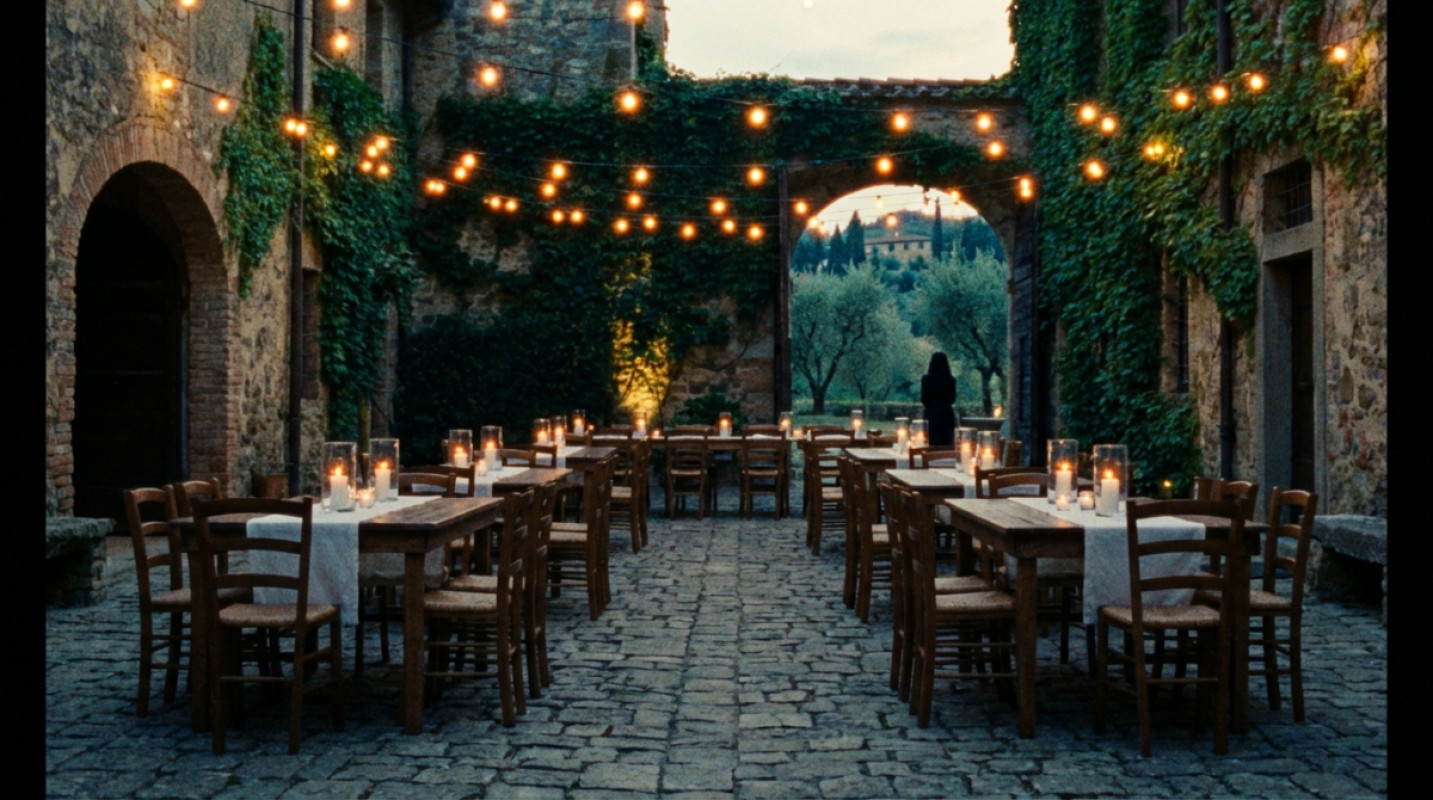
You want a celebration that feels like you: spontaneous, light and still elegant. The venue decides whether that works. Three points are real dealbreakers because they'll cost you time, money and nerves later. Here's what to watch for — and how to find better options.
Nothing kills the vibe faster than a hard curfew. Many venues have quiet hours, often starting at 10 p.m. That's understandable, but it mustn't make your celebration impossible. Ask precisely: Do the quiet hours apply only outdoors or also inside the hall? Are there decibel limits? Is the terrace allowed to be used after 10 p.m.? Are extended permits available on weekends?
If the answers are vague, plan alternatives:
Pro tip: Schedule speeches and program items before 9 p.m. That keeps prime time free for the dance floor in case volume needs to be reduced later.
A curated recommendation list is helpful. A requirement with no real exceptions is not. It becomes problematic when a venue only allows its own caterers, photo teams, or florists, even though style and budget don't match. You lose control over aesthetics, quality and pricing.
Ask directly and in writing:
If there's no flexibility, it's a sign to keep looking. Good venues have clear standards but allow qualified professionals. They protect themselves through contracts, briefings and points of contact — not rigid lists.
Food tells your story. Rigid menus that don't account for allergies, culture or lifestyle are a real no-go. Ask about vegetarian and vegan options, gluten-free choices and regional seasonal ingredients. What's important is not just that alternatives are “possible,” but how creative and lovingly they're executed.
Good alternatives:
Insist on a tasting with concrete adjustments. Pay attention to how the team responds to feedback. It's about attitude: those who listen now will perform reliably on the wedding day.
Define first what's important to you: party energy, setting, cuisine, budget, accessibility. A short reality check helps set priorities. For a structured start you can sort your wishes here: Erwartungen definieren.
Create a question list: quiet hours, volume limits, outdoor areas, open-vendor-policy, menu flexibility, tech, buffer times, plan B for rain. Ask for real-world examples and request contact details of previous couples for references.
Visit at a similar time of day to your planned event. Listen to the room acoustics, check circulation/flow, lighting atmosphere, parking and public transport (ÖPNV) options. Let your DJ or band do a short soundcheck.
Look for curfews, decibel limits, vendor requirements, corkage or cutting fees, minimum spend, cancellation terms, setup and breakdown windows. Everything that's important to you should be in writing.
A good rain or heat plan reduces stress. Shade, ventilation, water stations, heaters and a clear procedure for switching rooms are worth their weight in gold.
Your venue should give you freedom, not limits. If quiet hours are inflexible, vendor choice remains restricted, or the menu won't move, say no with confidence. Look for teams who listen and think with you. That's where the atmosphere that makes your celebration unforgettable is created.
For venue teams who want to work with you on equal footing, this path may be interesting: Partner werden.
wedset.app helps you plan your dream wedding. From the guest list to the timeline - we have everything under control.
More ideas and experience for the planning ahead.
Why you don’t book your dream date at Münster Registry Office—you win it in a lottery. Plus: the truth about the colour-...
Constantly second-guessing decisions you’ve already made? Here’s how to break the decision loop in wedding planning.

September in NRW is mild but chilly at night. Discover what tents, heating, and indoor backups cost—and when switching v...