

Wedding in NRW 2027: Which Season Really Fits Best?
Spring, summer, autumn, or winter? We compare prices, weather, and vibes for your 2027 wedding in NRW—including a budget...
Venue with all-inclusive service or organise everything yourself? An honest comparison based on budget, time, and stress to help you make the right choice early on.
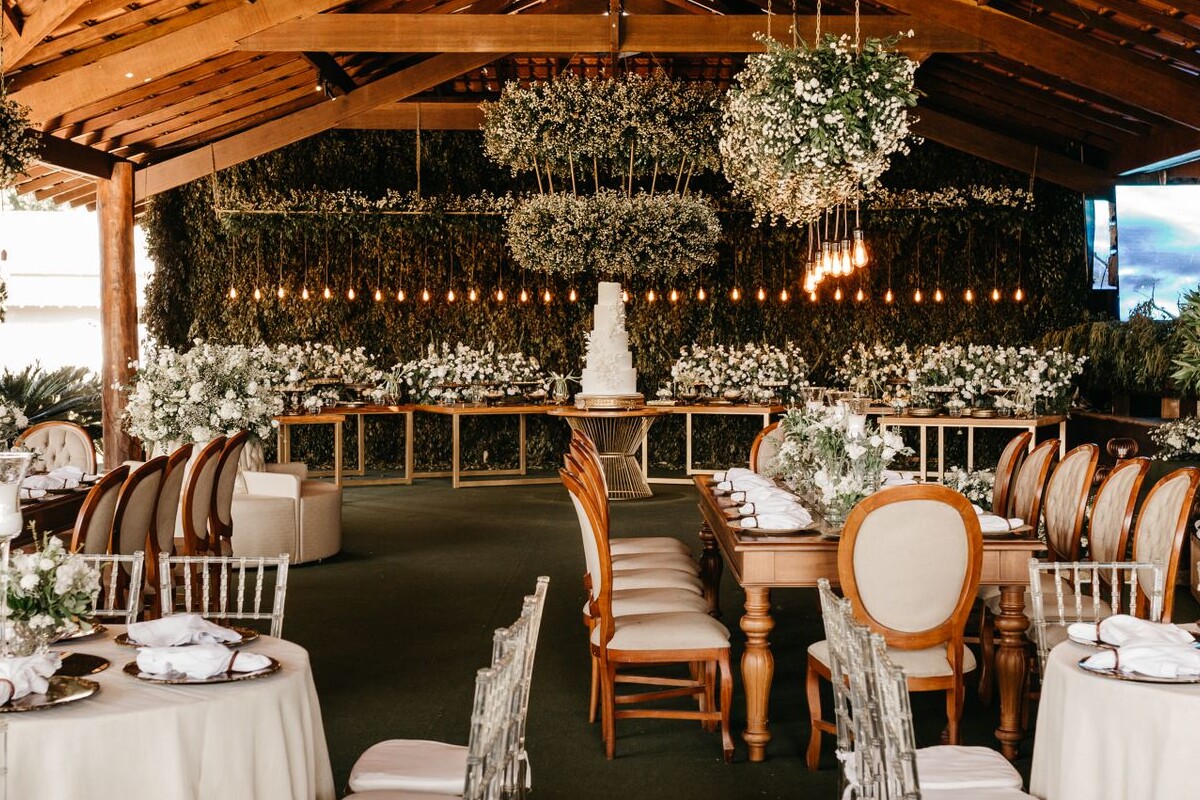
You’re newly engaged, the grin is still plastered on your face, and then comes the first big question that won’t be brushed aside: Do we book a venue that provides almost everything, or do we take the planning into our own hands? This decision might sound like a detail, but it’s actually the switch that sets the entire planning path. Almost everything that follows—from budget to timeline to your stress levels—depends on it.
That’s why it’s worth making this choice early and consciously, rather than letting it be dictated by offers and Instagram feeds. Here’s the honest comparison, without any sales pressure.
A full-service venue is more than just a beautiful space. It typically includes catering, technical equipment, seating, service staff, and often a coordinator to oversee the event. Some castles, boutique hotels, or event venues work with fixed packages, while others provide a team with extensive wedding experience.
The core of the offering: You make the decisions, but someone else implements them and handles any hiccups—ideally, ones you’ll never even hear about.
The biggest advantage is time. If you work full-time and don’t want to spend evenings comparing a dozen caterers, this is a real relief. It also offers planning security: An experienced team knows how long each course takes, when the light is perfect for photos, and what to do if it rains. Costs and the schedule are clear early on, and major surprises are rare.
This option is especially useful for working couples with little free time, for those who want to celebrate without the stress of organising, and for anyone who values reliability over every last DIY detail.
Comfort comes at a price, and full-service is usually more expensive. You’re also limited to what the venue offers. If you have a very specific vision—unusual decor, a particular caterer, or a unique venue idea—you might hit limits faster. Not every venue suits every style, and standard packages can sometimes feel exactly that: standardised.
With DIY planning, you organise each element individually. You choose the venue, book catering, handle decor, tech, the timeline, and all the small details you only notice when they’re missing. It’s a lot of work, but it’s also the version where every detail bears your personal touch.
A DIY wedding isn’t a product you buy—it’s a project you build together.
DIY planning is often cheaper, assuming you invest time and a bit of creativity instead of money. You have full control over every element and can create a celebration that’s truly one of a kind. For many couples, the planning process itself becomes a bonding experience they look back on fondly. It’s ideal for creative, hands-on, or budget-conscious couples who enjoy the process.
The effort is real and often underestimated. You’ll coordinate multiple vendors, make hundreds of small decisions, and bear the responsibility if something falls through. For larger guest lists, this can quickly become overwhelming. And let’s be honest: Not everyone is born to organise, and that’s perfectly fine. If you’d rather celebrate than plan, it’s best to know that upfront.
Before you get lost in the details, answer these five questions honestly together:
If these questions don’t yet give you clarity, it helps to first figure out what you should book first before committing to a direction.
It doesn’t have to be an either-or decision. More and more couples are opting for a hybrid approach: a venue with partial services, or a planner for specific areas like scheduling and vendor coordination, while handling decor and personal details themselves.
This way, you keep control where it brings you joy and delegate where it only causes stress. For most working couples who still want creative input, this is the most honest compromise.
Wedding Checklist Stay on top of every task with your personalized wedding checklist. DiscoverA question that comes up again and again: “We have a small budget but big ideas—can DIY planning work?” Short answer: yes, if you treat time as your second currency. Set priorities on two or three elements that really matter to you and keep the rest intentionally simple. And if you know early on which venue criteria are non-negotiable for you, you’ll save yourself many expensive detours later.
Whatever you choose: There’s no objectively right decision, only the one that fits your life, your time, and your budget. Don’t feel pressured to please everyone. The journey is yours, in every version.
Usually, yes, because you’re paying for convenience and coordination. But the difference shrinks if you honestly account for the time you invest in DIY planning. Run the numbers for both options before deciding.
It depends heavily on the guest count and your expectations, but plan for several hours per week over several months. The key is to be honest about how much time you can realistically dedicate throughout the entire planning period—not just in the initial excitement.
You combine both approaches: for example, a venue with select partial services or a planner just for scheduling and vendor coordination, while you handle decor and personal details yourself. This way, you keep control where it brings you joy and delegate where it only adds stress.
Especially working couples with little free time and anyone who values reliability and a stress-free experience over every DIY detail.
wedset.app helps you plan your dream wedding. From the guest list to the timeline - we have everything under control.
More ideas and experience for the planning ahead.
Spring, summer, autumn, or winter? We compare prices, weather, and vibes for your 2027 wedding in NRW—including a budget...
Spring, summer, autumn, or winter in NRW? An honest comparison for 2027, covering demand, budget pressure, ambiance, and...

Why live music makes your big day unforgettable and how to plan, budget, and integrate it seamlessly. Plus local musicia...