

What You Can Ignore in the First Year After Your Engagement
Just engaged with a 2028 wedding? Only two things need early booking—everything else can wait. A relaxed guide for Münst...
Venue, photographer, DJ, catering: Nobody needs your entire schedule, but everyone needs the current version. Who gets which part and who's reachable on the day.
None of your vendors need the entire wedding schedule. The venue wants to know how many people sit where. The photographer wants to know when which group stands in front of the camera. The DJ wants to know when the room opens. What everyone equally needs is today's status. This article sorts out which part of the timeline goes to whom and who answers the phone on the wedding day.
In March, a timeline is a good estimate. By June, the ceremony has shifted by half an hour, three guests have canceled, two are now eating vegan, and in case of rain the outdoor ceremony moves into the barn. The PDF from March knows nothing of this. It sits in six inboxes, in two versions for some, and no one can tell from it whether it's the latest one.
That's down to the file, not to you. A file shows the day it was saved. What matters is that everyone working on your day is looking at the same version, and that this version contains only what each person can actually use.
A vendor timeline consists of a few building blocks: schedule with times, locations with addresses and notes, contacts, guest count with dietary requests, seating chart, and photo groups. Who gets which block depends on what that person does on the day.
| Who | What this person needs |
|---|---|
| Venue | Schedule, locations, contacts, guest count, seating chart |
| Photographer | Schedule, locations, contacts, photo groups |
| DJ, catering, hair and makeup, florist | Schedule, locations, contacts, guest count with dietary requests |
| Maid of honor and best man | Photo groups, contacts |
Schedule, locations and contacts go to almost everyone; the differences start after that. The seating chart goes only to the venue, because only they set and clear the tables. The photo groups go to the person behind the camera and to your maid of honor and best man, who on the day fetch the aunt from the bar when the family photo is due. From the same guest count, each side reads something different: catering the number of vegan meals, the florist the number of tables.
When it comes to locations, a note is often worth more than another time. Which entrance, where to park, what applies in case of rain, whether the hall has a wooden floor. The DJ, in turn, doesn't need table numbers, but times that are correct, and from you an idea of which moment gets which music.
 Related read
Wedding Music: How Many Songs You Really Need
Overwhelmed by choosing songs for your wedding? You need fewer than you think. Here’s a relaxed guide based on your…
Read more
The seating chart is the only block where your guests appear individually. Before it goes out, it's worth deciding: full names or just tables and seats. A venue that provides place cards or brings the allergen-free meal to the right spot needs names. Whoever only sets and clears tables gets by with table number and headcount.
The rule of thumb behind this is simple. Names go where someone works with them, and nowhere else. It has nothing to do with distrust. A guest list with dietary requests is simply not spread wider than necessary. How you distribute the seats yourselves is a question of its own, answered by the seating chart guide.
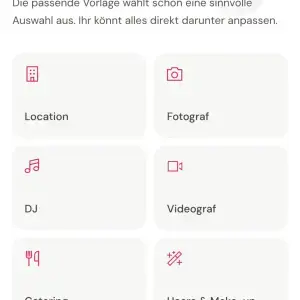
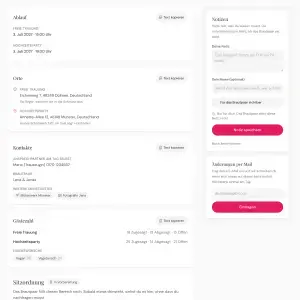
From both follows the form. Instead of one file for everyone, each person gets their own link that shows only their section and updates with your planning. In wedset you choose a template for this, such as venue, photographer or catering, and adjust which blocks are visible. If the ceremony shifts, the new time appears on each of these pages without you having to send anything new.
At the top of the page is the date of the status. You can see who has already opened the link. Vendors can leave a note, for example that the power at the podium isn't sufficient, and have themselves notified at most once a day by email when something has changed. A few days after the celebration the link ends by itself.
Ready to plan your wedding?
Get started for free with wedset.app, your digital wedding planner.
The most important entry among the contacts is not you. On the wedding day your phone is in some pocket, and that's where it belongs. Name a point of contact who is reachable and allowed to decide: the maid of honor, the brother, a friend with a calm voice. Her name, her role and her mobile number are on everything a vendor gets from you.
Tell this person in advance what they may decide without asking back. Whether the ceremony moves into the barn in case of rain. Whether the meal comes a quarter of an hour later because the photos take longer. And give them the same status as everyone else, i.e. the photo groups and the names of the vendors who might call.
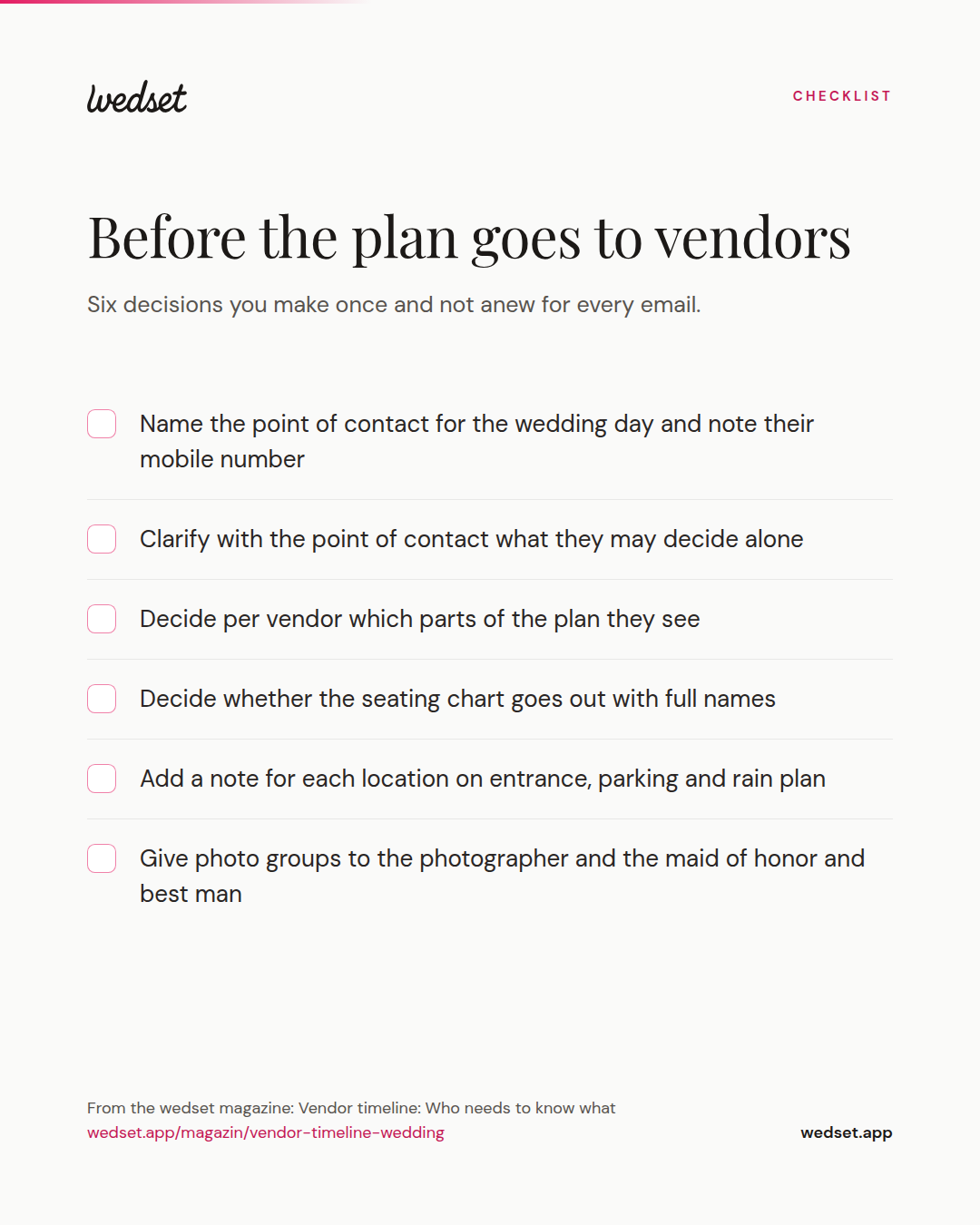
Checklist
Six decisions you make once and not anew for every email.
A good timeline is measured by how little it is talked about on the day. If the venue knows how many chairs to set up, the photographer knows who stands in front of the barn at half past four, and everyone calls the same number as soon as something is unclear, then your part is done. The rest is a day when others work and you get married.
No. Schedule, locations and contacts go to almost everyone. The seating chart is only needed by the venue, the photo groups by the photographer and the maid of honor and best man, the guest count with dietary requests above all by catering, DJ and florist.
Times and program points, the locations with address and a note on entrance, parking and rain plan, the contacts with a point of contact for the day, plus depending on the task guest count, dietary requests, seating chart or photo groups.
Best not you yourselves, but a person who is reachable and allowed to decide, for example the maid of honor or best man. Name, role and mobile number are on every plan. Clarify in advance what they may decide without asking back.
Only if the venue works with the names, for example for place cards or to bring an allergen-free meal to the right spot. Whoever only sets and clears tables gets by with table number and headcount.
A magazine by wedset from Münster · About us
More ideas and experience for the planning ahead.
Just engaged with a 2028 wedding? Only two things need early booking—everything else can wait. A relaxed guide for Münst...

Why does one person end up handling all the wedding planning? Learn how to spot the imbalance early and share knowledge...

First dance without fixed schedules? Why online dance classes are often the smarter choice for busy couples on a budget....